The Environmental and Human Rights Costs of China’s Clean Energy Investments Abroad
The Environmental and Human Rights Costs of China’s Clean Energy Investments Abroad
China has been investing heavily in clean energy projects abroad, such as solar and wind power farms, as part of its efforts to reduce carbon emissions and combat climate change. While these investments are lauded for their positive impact on the environment, there are also significant environmental and human rights costs associated with them.
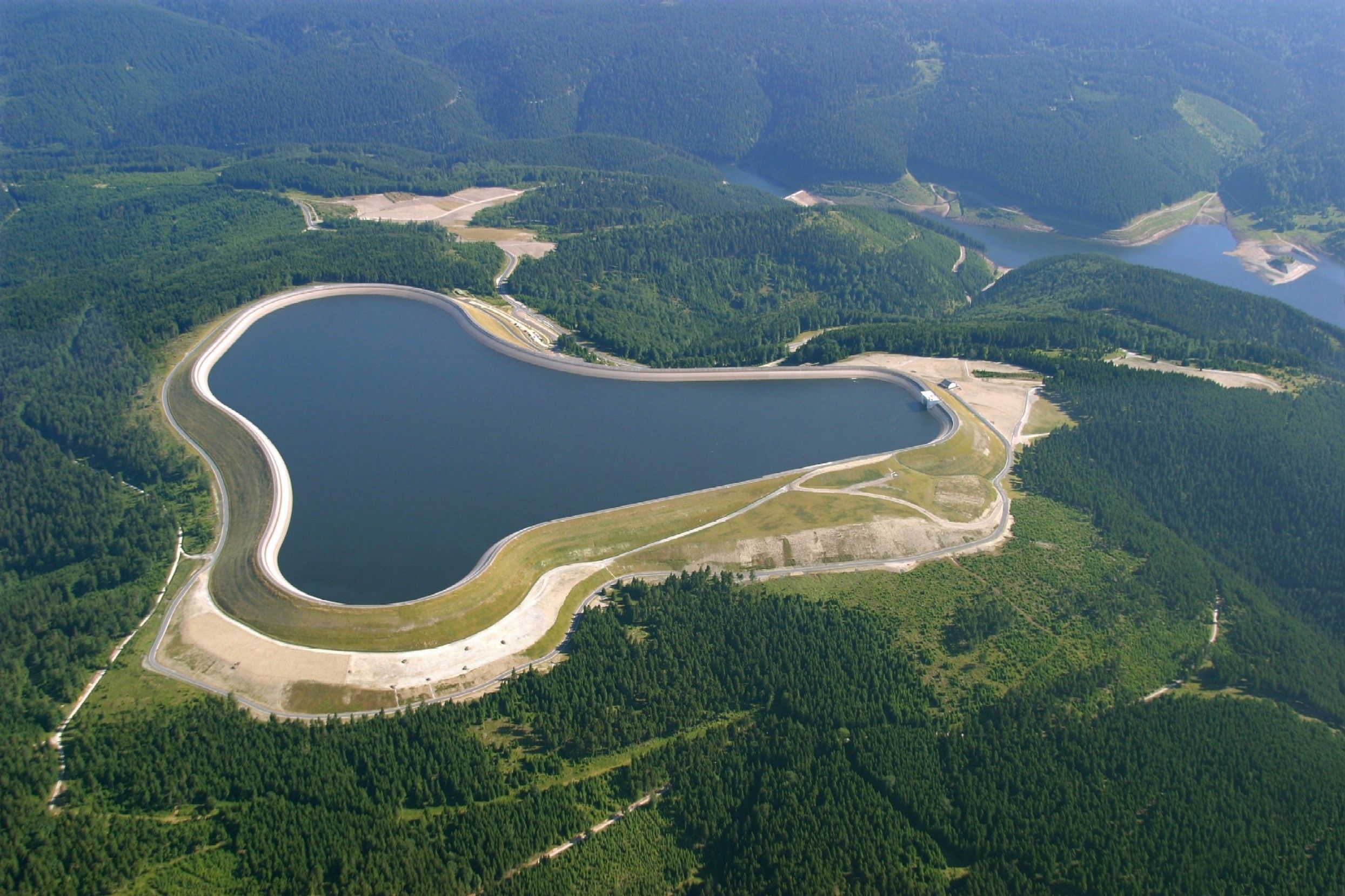
One major concern is the environmental impact of large-scale clean energy projects. For instance, the construction of hydropower dams can lead to the displacement of local communities and the destruction of ecosystems. In some cases, these projects have also been linked to water pollution and the extinction of rare species.
Moreover, the human rights implications of China’s clean energy investments abroad cannot be overlooked. There have been reports of labor abuses, including forced labor and poor working conditions, in the construction and operation of these projects. Local communities often bear the brunt of these abuses, with limited access to remedy or justice.
Additionally, there are concerns about the lack of transparency and accountability in China’s overseas investments. Many projects are shrouded in secrecy, making it difficult for affected communities to voice their concerns or hold the responsible parties accountable for any negative impacts.
It is crucial for China and other countries investing in clean energy projects abroad to prioritize environmental and human rights considerations. This includes conducting thorough impact assessments, consulting with local communities, and implementing mechanisms for grievance redressal. Only by addressing these issues can we ensure that the transition to clean energy is truly sustainable and just for all.
In conclusion, while China’s clean energy investments abroad have the potential to drive positive change, it is essential to address the environmental and human rights costs associated with these projects. By taking a holistic approach that prioritizes sustainability and justice, we can ensure that clean energy development benefits both the planet and its people.