The Doomsday Glacier Is Getting Closer and Closer to Irreversible Collapse
…
The Doomsday Glacier Is Getting Closer and Closer to Irreversible Collapse
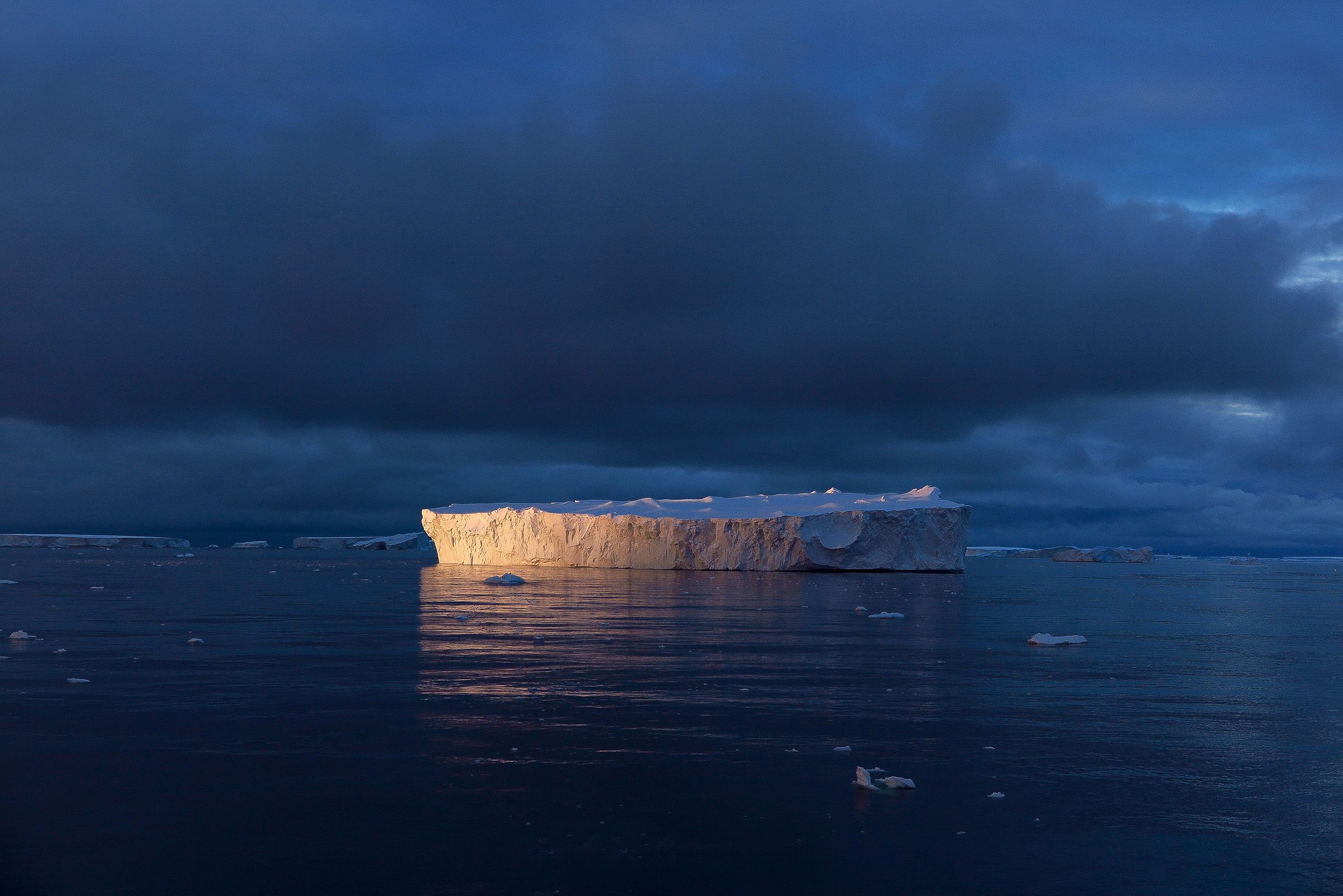
The Thwaites Glacier, often referred to as the “Doomsday Glacier,” is one of the largest and most important glaciers in Antarctica. It has been melting at an alarming rate due to rising global temperatures and is now at risk of irreversible collapse.
Scientists have been closely monitoring the glacier’s movement and have observed significant changes in recent years. As the glacier continues to melt, it could contribute significantly to global sea-level rise, threatening coastal communities around the world.
Several factors contribute to the accelerated melting of the Thwaites Glacier, including warm ocean currents that are eroding the ice from below. If the glacier were to collapse entirely, it could raise sea levels by several feet, causing widespread flooding and displacement of millions of people.
Efforts are being made to study the glacier more closely and understand the mechanisms driving its rapid melt. This research is crucial for predicting future sea-level rise and taking necessary steps to mitigate its impacts.
The Thwaites Glacier is a stark reminder of the urgent need to address climate change and reduce greenhouse gas emissions. Without immediate action, we risk irreversible consequences that could threaten the very existence of our planet.
As the Doomsday Glacier inches closer to irreversible collapse, it serves as a sobering wake-up call for humanity to prioritize environmental conservation and sustainability in order to protect our planet for future generations.